THE LATEST IN ROOFING
Commercial roofing has moved far beyond mere leak prevention. Today, a roof is expected to cut energy bills, generate electricity, survive extreme weather, and report its own health – all while looking good. Based on current project specifications and manufacturer releases, here are five trends that are actually reshaping commercial rooftops in 2026.
BIPV Solar Tiles Replace Bolt‑On Panels
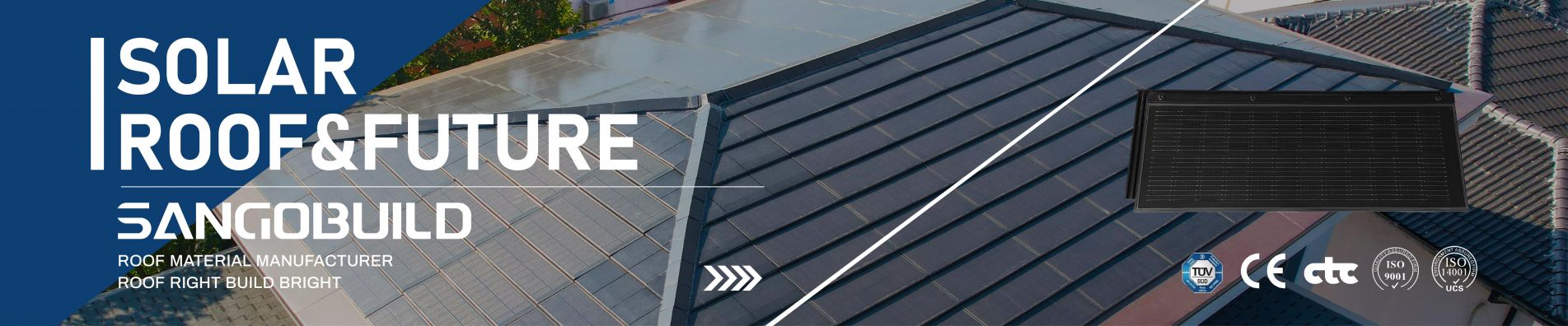
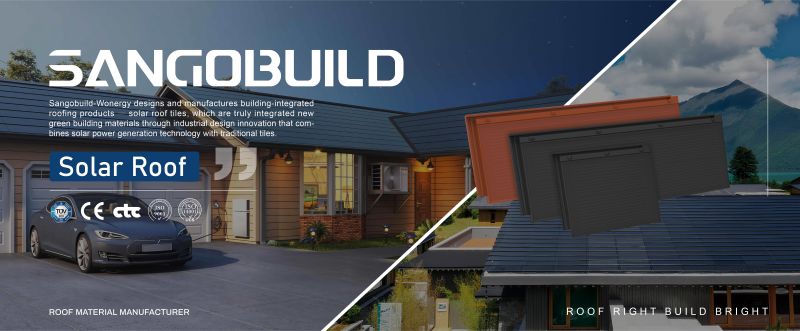
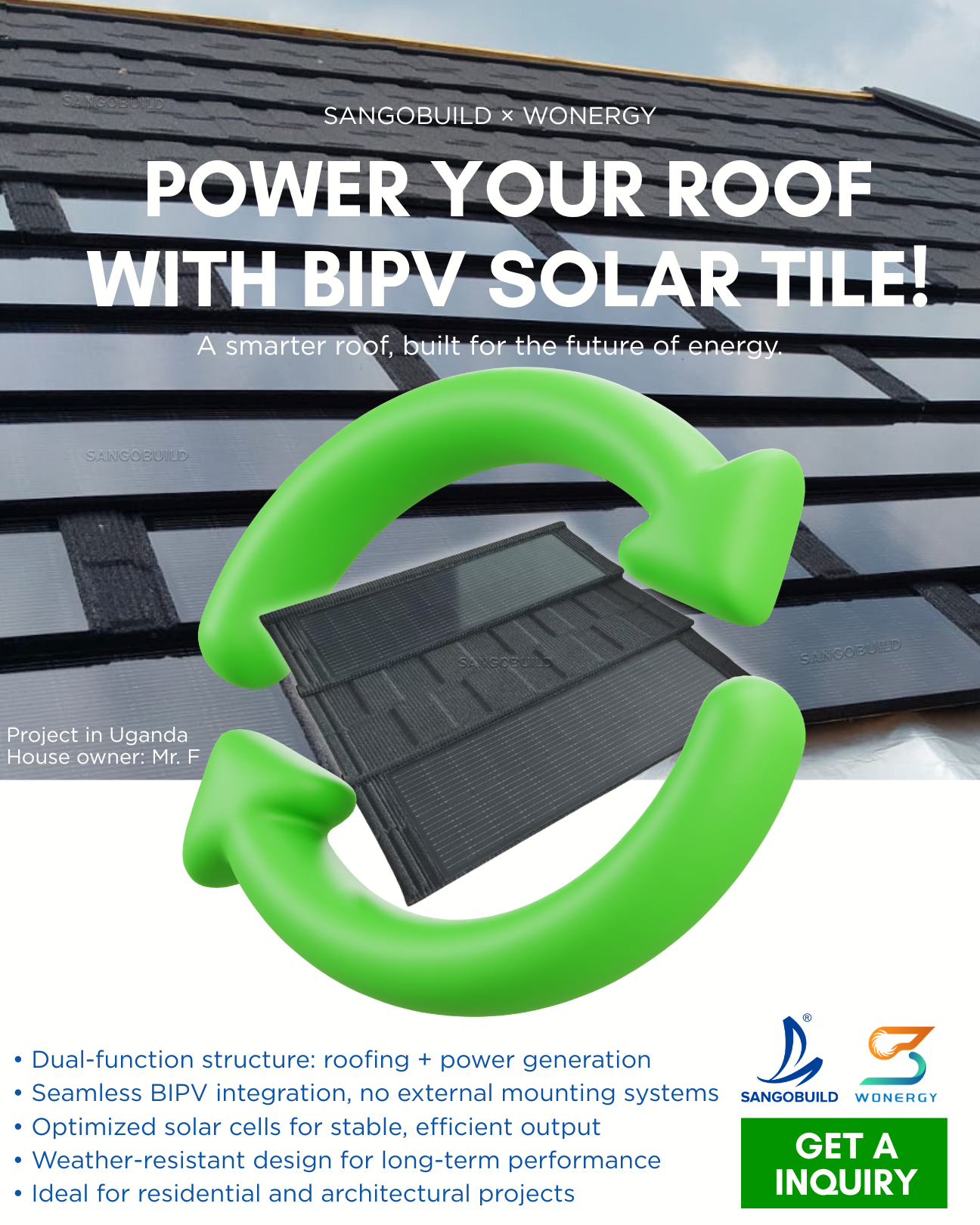
The old way meant mounting heavy photovoltaic panels on top of an existing roof. The new way integrates solar cells directly into the roofing tile itself. Building‑integrated photovoltaics (BIPV) are no longer a niche product. Several commercial projects – from eco‑lodges to corporate campuses – now specify solar tiles that mimic stone, wood grain, or even slate.
Why the shift? Two reasons. First, BIPV eliminates the need for separate racking systems, reducing both material cost and installation time. Second, it preserves the building’s architectural character – critical for historic districts or high‑end hospitality projects. Products like Heliu (stone‑coated wood grain, 80W per tile, 6.5kg lightweight) and Sol (seamless interlocking, typhoon‑resistant up to Category 15) are being specified for rooftop terraces, pool canopies, and low‑slope commercial buildings. With the EU’s EPBD mandating solar on all new non‑residential buildings by 2027, demand for aesthetically acceptable solar roofing will only accelerate.
Cool Roofing Becomes a Compliance Must‑Have
Energy codes are getting teeth. California's 2025 Title 24 standards (effective January 2026) require low‑slope commercial roofs to meet a three‑year aged solar reflectance of at least 0.55, thermal emittance above 0.75, or a Solar Reflectance Index (SRI) of 64. And the rule now applies to re‑roofing projects, not just new construction.
Cool roofing is no longer an optional upgrade – it is a baseline requirement in many jurisdictions. Manufacturers have responded with new coating formulations that reflect up to 85% of solar heat while resisting UV degradation. For facility managers, the benefit is twofold: lower air‑conditioning bills and extended roof lifespan.
Lightweight, High‑Impact Materials Gain Ground
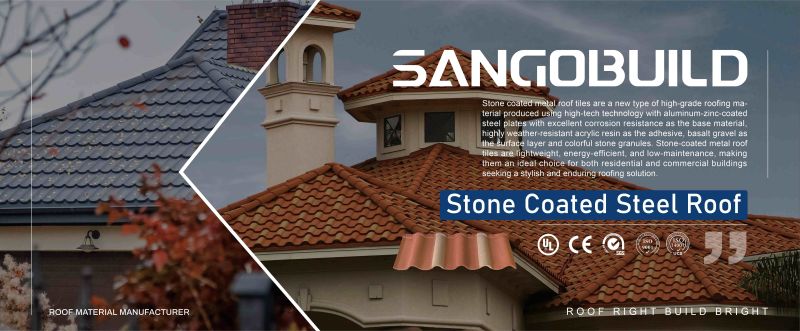
Concrete and clay tiles have long been admired for their durability, but their weight – often 15 to 20 pounds per square foot – creates structural challenges, especially in seismic zones or retrofit projects. Lightweight alternatives are filling the gap. Stone‑coated steel tiles weigh only 6 to 8 kg per piece (roughly 2.5 to 3.5 lbs per sq ft) while meeting Class 4 hail resistance and 120+ mph wind uplift ratings.
The trend is driven by labor shortages as well. Lighter tiles mean fewer crew members needed, faster installation, and lower worker injury risk. At the 2026 International Roofing Expo, most new product launches emphasized ease of handling and peel‑and‑stick or clip‑together systems – not revolutionary materials but smart, labor‑saving engineering.
Digital Inspections and Predictive Maintenance
Traditional roof inspections rely on a person walking the surface, looking for blisters, cracks, or ponding water. That method is subjective, dangerous, and often misses hidden moisture trapped below the membrane. The alternative: drones equipped with high‑resolution thermal cameras and AI‑powered analysis software.
Commercial property owners are increasingly contracting quarterly or bi‑annual drone surveys. The software can detect wet insulation, fastener corrosion, and stress patterns before they become leaks. Some new BIPV tiles even come with embedded sensors that report temperature, moisture, and voltage data to a cloud dashboard. This shift from reactive repair to predictive maintenance can cut roof‑related downtime by 40–60% – a compelling number for warehouses, data centers, and healthcare facilities where every hour of operation matters.
Lifecycle Cost Replaces First‑Cost Thinking
Perhaps the most important trend is how commercial buyers evaluate bids. Five years ago, the lowest installed price often won. Today, sophisticated buyers ask for a 30‑year net present value calculation that includes energy savings, maintenance frequency, insurance premium adjustments, and expected salvage value.
For example, a standard asphalt built‑up roof might have a lower upfront cost but require recoating every 8‑10 years and offer no energy benefit. A silicone coating system applied over an existing tile roof can extend service life by 20 years at roughly one‑third the replacement cost. A BIPV solar tile generates electricity that offsets grid purchases, turning a roof from a cost center into a revenue‑generating asset.
Final Thoughts
The commercial roofing market is evolving faster than any time in the past two decades. Specifiers who ignore the five trends above risk specifying roofs that will be non‑compliant, underperforming, or obsolete before their first maintenance cycle is due. Whether you choose BIPV solar tiles, cool‑roof coatings, lightweight metal systems, or a combination, the key is to start with a whole‑building energy model and a realistic 30‑year cost forecast. Your roof works every day. Make sure it works for you.


REQUEST A QUOTE
Copyright © Hangzhou Singer Building Materials Co., Ltd. All Rights Reserved |
Sitemap
| Powered by 


SEOKeywords:Roof Tile ManufacturerRoof Shingle ManufacturerAsphalt Shingle SupplierRain Gutter CompanyShingle Roofing CompanyWaterproof Tape For RoofPressed Steel Roofing TilesRain Gutter SystemGray Asphalt ShingleStone Coated Metal Roofing Manufacturer